Focus Eye Centre 1-800-IN-FOCUS (463-6287)
 

Procedures

Intralase SBK

Delivering safe, effective results with faster-than-ever recovery times for many patients.

For many years, Dr. David Edmison offered PRK to the majority of his patients, even while other refractive surgeons funnelled people towards LASIK. Over the past few years, however, Dr. Edmison and the surgical team at Focus (including Dr. Claude Menard and Dr. John Cheung) adopted Intralase SBK as a ‘standard of care’ and offer it to those patients who qualify for this advanced form of Laser Vision Correction.

“This is very exciting,” says Dr. Edmison. “This is what everyone — patients and surgeons alike — have been waiting for,” he adds, referring to an extremely safe procedure that has many patients back to their normal routine in a matter of hours (versus days with PRK).

Understandably, the adoption of Intralase SBK (Sub-Bowman’s Keratomileusis) came after long, detailed study during which the surgical data collected by Dr. Edmison was supported the findings of his American peers. Namely, these results showed that SBK maintains the integrity of the cornea and offers most of the benefits of PRK without the lengthy recovery period.

“We have been encouraged by our results with Intralase SBK and see there to be a similar benefit to PRK procedures in terms of maintaining the strength of the cornea, something LASIK does not do,” Dr. Edmison explains. ”

It is a testament to such significant and positive advances in LVC that Focus no longer offers LASIK.

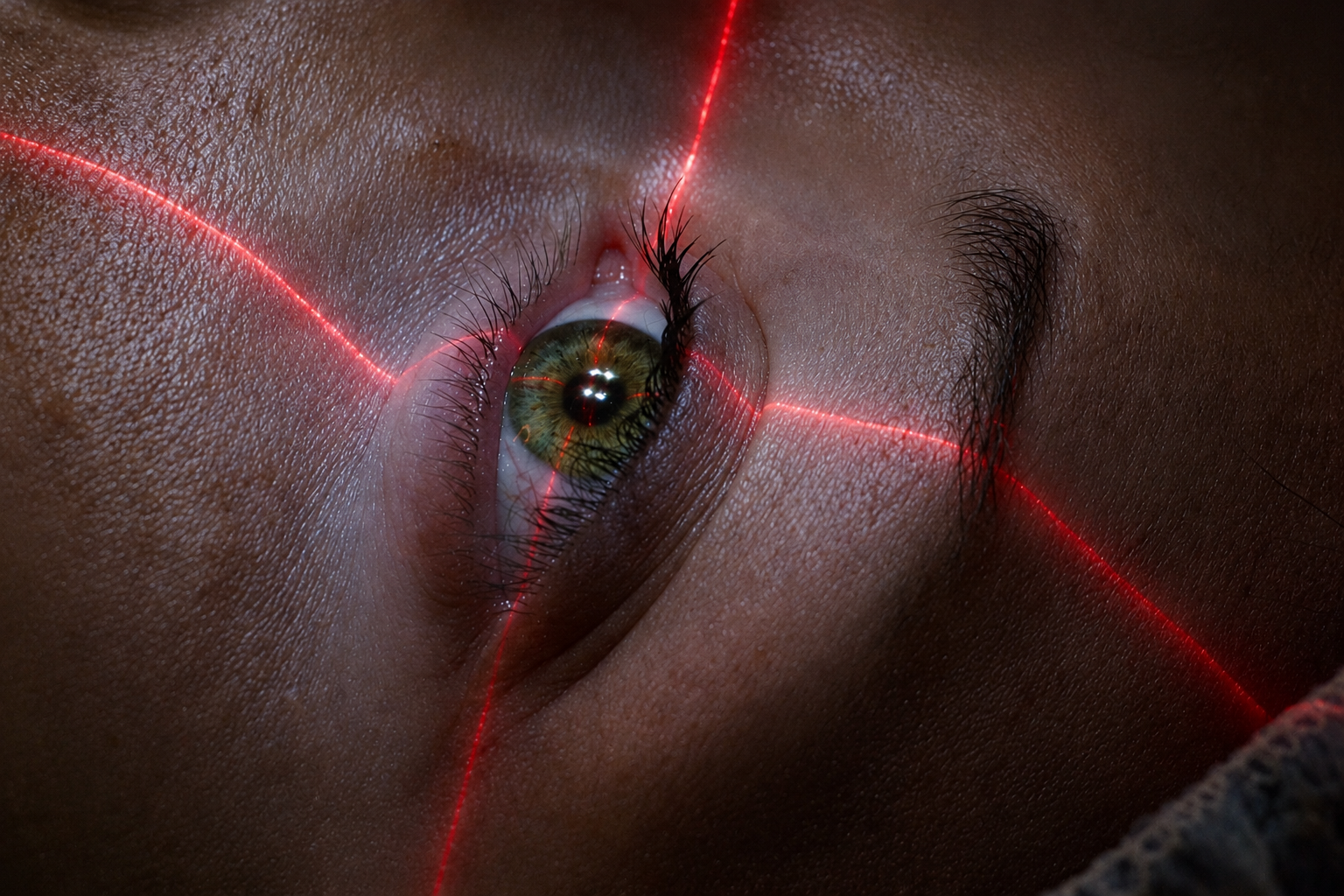
The secret to the success of Intralase SBK lies in the fact that it removes an extremely thin layer of epithelium and Bowman’s membrane – the smooth layer just below the epithelium whose strong collagen fibers help the eye maintain its shape. The procedure is done with a cool-beam laser, which allows the surgeon to maintain the corneal integrity, resulting in rapid visual recovery.

The ultra-thin nature of the flap and maintenance of corneal integrity means that Intralase SBK cannot be considered a form of LASIK. It is “a quick and painless surgery that combines the safety of PRK with the quick recovery time of LASIK surgery,” reports LasikSurgeon.com. “After SBK surgery, patients reported fewer cases of dry eye — a side-effect most associated with LASIK — their eyes were less sensitive to light and the chances for… serious complications were considerably diminished,” concludes the website.

“Intralase SBK with Wavefront provides a level of precision, safety and patient benefit that, as a surgeon, I could barely envision years ago,” says Dr. Edmison. “This is laser vision correction beyond PRK and LASIK.”


The Benefits of Wavefront LVC

Wavefront represents a quantum leap forward in laser vision correction.

Wavefront — a diagnostic technique sometimes known by its VISX trade name “CustomVue” — has been helping to produce outstanding results for laser vision correction (LVC) patients for years now, with many people seeing better after their LVC procedures than they ever could with either glasses or contact lenses. Wavefront affords a degree of microsurgical precision that is, quite simply, unparalleled and provides many Focus patients with 20/20 vision or better.

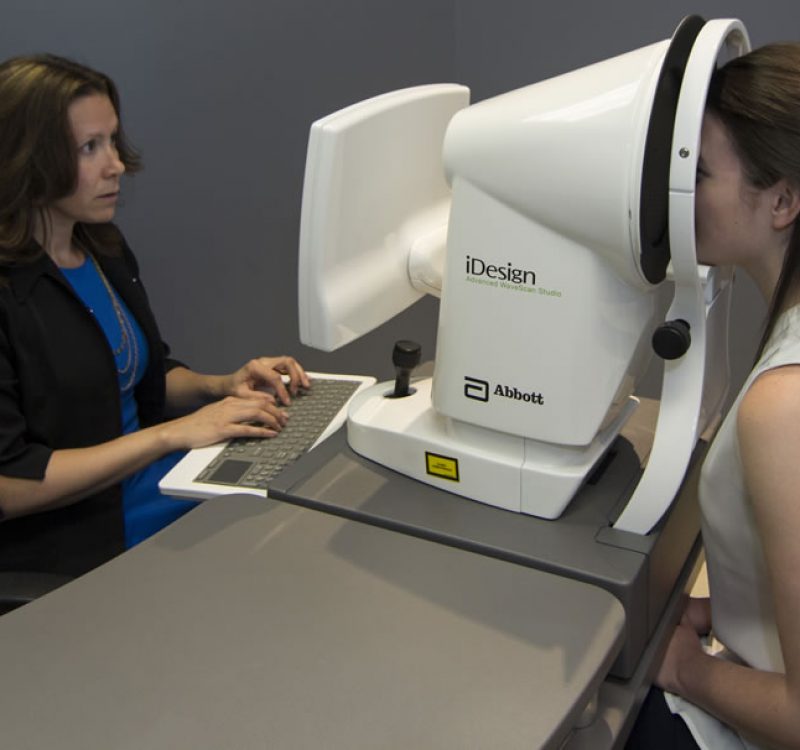
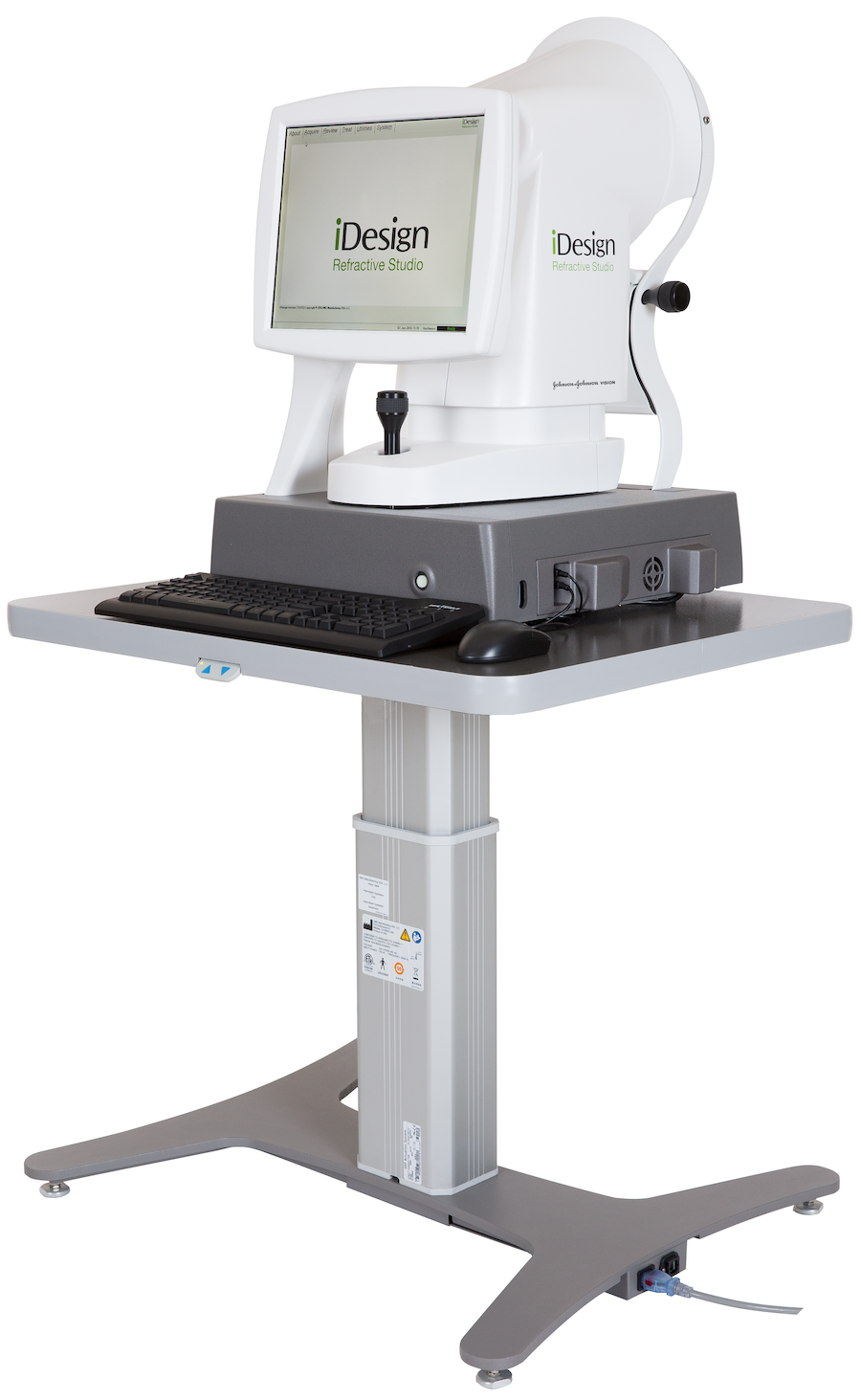
Wavefront is a pre-operative diagnostic procedure that produces a computer generated map of any and all anomalies specific to each patient.

Wavefront involves a ray of light being transmitted safely into the patient’s eye (via the cornea), then reflected back off the retina and out through the pupil. The reflected light wave is arranged into a unique pattern and displays these visual irregularities as a three-dimensional image — a Wavefront map. Wavefront allows for a treatment that is personalized to the patient, ensuring optimal results for the individual.

“We were getting very good results before Wavefront was introduced,” says Dr. David Edmison, Medical Director at Focus, “and now we are often getting even better outcomes than before. More patients are achieving 20/20 vision and the technology opens up the procedure to some who were otherwise not candidates for laser vision correction.”

Wavefront has become the standard of care at Focus, with upwards of 90% of qualified patients benefiting from Wavefront analysis and treatment.


Clear Lens Exchange (CLE)

Everest SurgiCentre, affiliated with Focus Eye Centre and located adjacent to Focus in Suite 112, 1565 Carling Ave., is pleased to offer Clear Lens Exchange to those patients who qualify for this sight-preserving procedure.

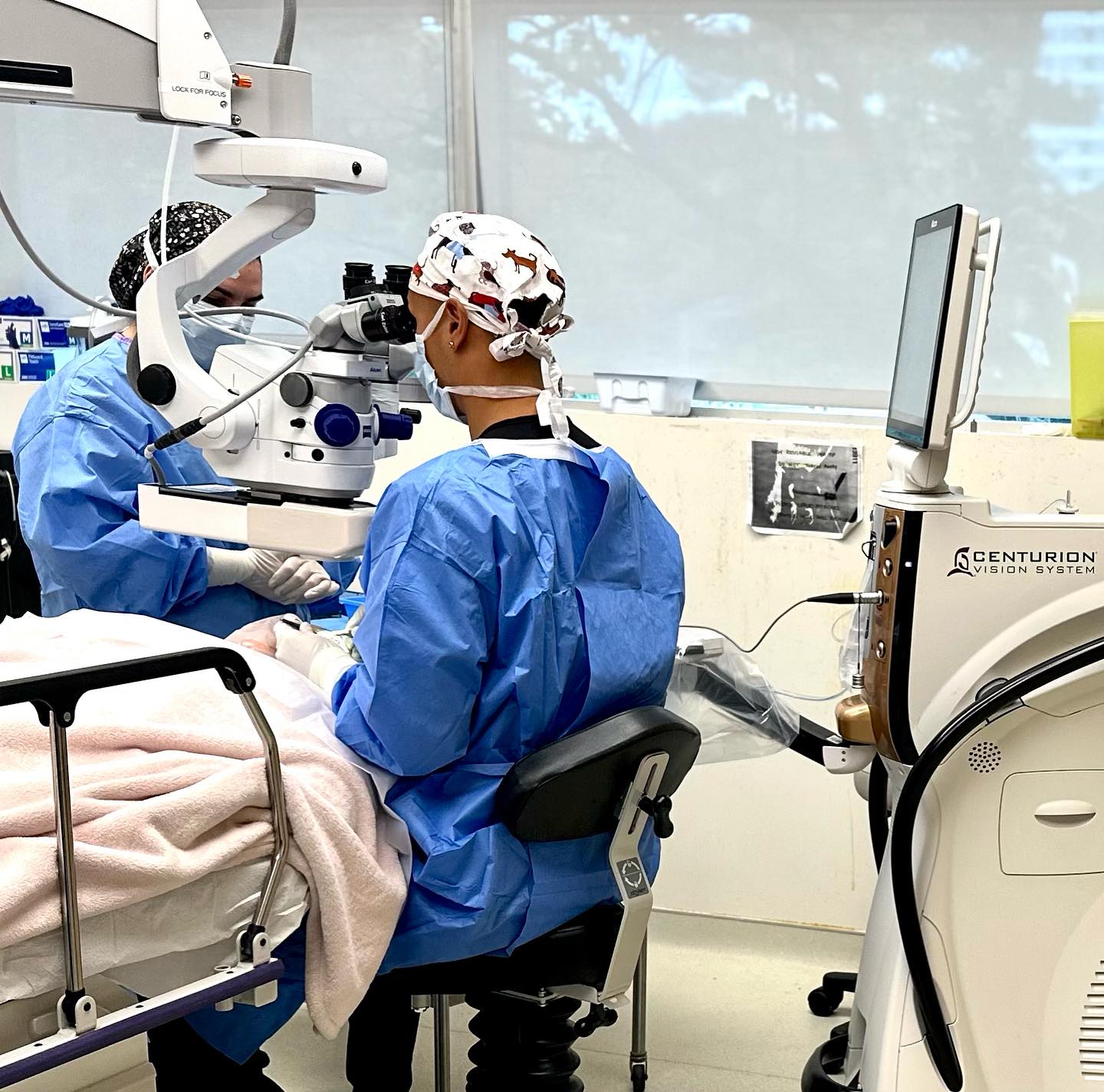
Simply, clear lens exchange (CLE), or refractive lensectomy, is a surgical procedure that involves the removal of the clear natural crystalline lens for refractive reasons such as myopia (nearsightedness) or hyperopia (farsightedness). CLE is performed in the same manner as a cataract operation during which the eye’s natural lens is removed and replaced by a new plastic lens. The eye’s refraction error is corrected as the new lens has a refraction compared to the eye’s original lens.

A thorough pre-operative examination is performed to determine the patient’s corneal thickness and shape as well as their degree of refraction.

CLE is technically relatively easy to perform and proven effective when followed by implantation of a low or negative power intraocular lens for myopia, and a high power intraocular lens for hyperopia. That said, as with all types of surgery, CLE involves some medical risk. These as well as any questions patients may have are reviewed during a face-to-face consultation with the surgeon well in advance of any procedure.

Links:


Eyelid Rejuvenation Surgery (blepharoplasty)

Eyelid rejuvenation surgery for those who suffer from drooping eyelids

Focus Eye Centre, through its affiliate Everest SurgiCentre and oculoplastic surgeon Dr. Kevin Smith, offers eyelid rejuvenation surgery, technically known as blepharoplasty. The surgery is designed to improve the appearance and/or function of the eyelids.


Blepharoplasty removes fat and excess skin and muscle from the upper and lower eyelids. The surgical goal is to correct drooping upper lids and puffy bags below the eyes, thereby eliminating features that make a person look older or tired and may even interfere with one’s vision. Blepharoplasty will not remove crow’s feet or other wrinkles, eliminate dark circles under your eyes, or lift sagging eyebrows. It can add an upper eyelid crease to eyelids with an inner fold and can be done alone, or in conjunction with other facial surgery procedures such as a facelift or brow-lift.

Some people have eyelid rejuvenation surgery to correct problems that are a result of aging, while others have inherited traits such as bags under their eyes that cause them to seek treatment at a younger age. In Canada, blepharoplasty has become one of the most sought-after facial plastic surgery procedures. In the United States it is more popular and prevalent than rhinoplasty, face lifts, facial implants, and forehead lifts.

Read the complete brochure…

What People are Saying...

Playing since my eye surgery has been amazing. I have no worries when I’m on [...]

Eric O’Dell

View all testimonials